The valuation report is the single most important document at any German foreclosure auction. Read it properly and you know more than the average bidder. Skim it and you are buying blind.
What is a valuation report?
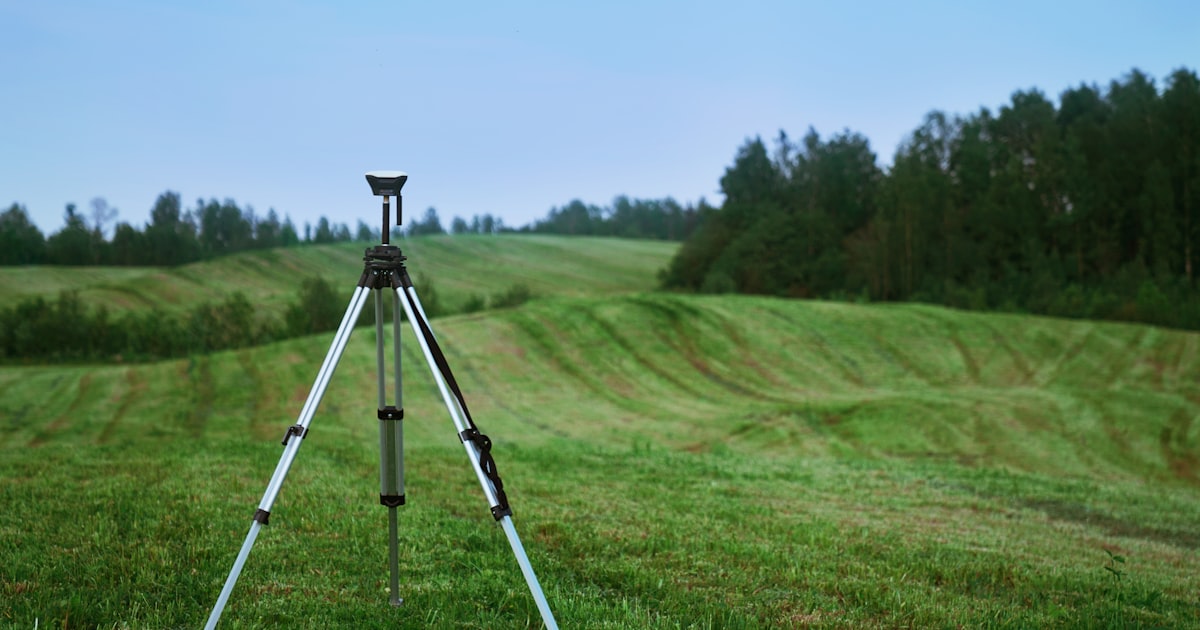
The local court instructs a publicly appointed and sworn surveyor to produce a report on the market value. The surveyor visits the property, records its condition and works out a market value using recognised valuation methods.
In the proceedings the report does two jobs:
- It is the information base for bidders
- It is the reference value for the minimum bid thresholds, 50 and 70 per cent of the appraised value
Important: the report is not a contract. It describes the condition at one point in time, not on the day of the hearing.
How a typical report is structured
A full report usually runs to 40 to 120 pages and is built as follows.
Cover page and instruction
- Case number
- The surveyor's name and qualifications
- Date of the site visit
- Valuation date
Land and property description
Here you will find:
- Location: address, district, infrastructure
- Plot size, taken from the cadastral records
- What may be built, meaning the zoning category and the development plan
- Plot shape and services
Building description
Read this section line by line:
- Year built, and any years of refurbishment
- Construction, whether solid, lightweight or timber frame
- Roof: type, condition, age of the covering, insulation
- External walls: material, condition, insulation
- Windows: single, double or triple glazing, year fitted
- Heating: type, whether gas, oil or a heat pump, year fitted, condition
- Bathrooms and plumbing: condition, year fitted
- Electrics: age of the installation and any known faults
- Cellar: usability, damp
Defects and damage
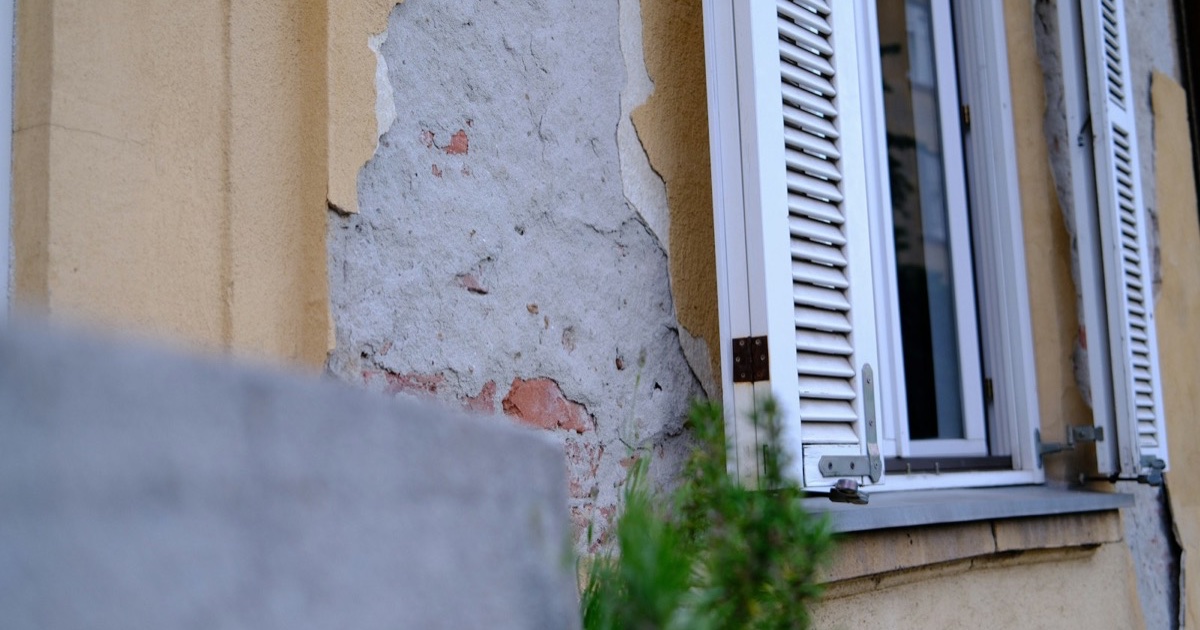
Here the surveyor lists the known defects. Read this section with particular care.
Typical wording and what it means:
| Wording in the report | What it means |
|---|
| "Wear consistent with age" | Normal wear, easy to price |
| "Signs of damp in the cellar" | Potentially expensive, cause unclear |
| "Dry rot found" | Very serious, repairs of 20,000 to 80,000 euros are possible |
| "Roof needs renewing" | 15,000 to 50,000 euros, depending on size |
| "No internal viewing possible" | The owner refused access, a large unknown |
| "Adequately maintained" | Average condition, nothing unusual due |
The land register
This part matters. The surveyor works through the land register, which has three sections:
- Section I: ownership
- Section II: burdens such as rights of residence, easements and land charges in kind
- Section III: mortgage-type charges
What to check especially:
- Is there a lifelong right of residence? That can cut the value by 30 to 60 per cent.
- Is there a heritable building right? Then the land belongs to somebody else.
- Which charges exist, and in what order are they paid?
Everything on those rights is set out in rights of residence and usufruct at foreclosure auctions.
Valuation method and result
Surveyors apply different methods depending on the type of property.
The cost approach, for detached houses and owner-occupied property:
Land value, from the standard land value
plus the value of the building, meaning replacement cost less depreciation for age
equals the cost value
The income approach, for investment property and apartment buildings:
Gross annual rent
less running costs
equals net annual income
times a multiplier that depends on the property yield rate
equals the income value
The sales comparison approach, for apartments:
A comparison with similar transactions in the market
Often a weighted combination of several methods is used.
Questions to put to the report
How old is it?
Reports are often written 6 to 18 months before the hearing. The condition may have changed since, particularly in an empty property.
Could the surveyor get inside?
If not, and the report says access was refused, the assumptions in it are speculative. Raise your risk allowance accordingly.
Are the areas right?
Living areas in a report come from floor plans or from measurements, and are not always correct. Differences of 5 to 15 per cent are not unusual.
Are the rents current?
For a let property: how old are the tenancies? Is the rent below market? Can it be raised?
Which property yield rate was used?
In the income approach this parameter moves the value considerably. A higher rate produces a lower value.
What the Klaava analysis reads for you
Klaava reads valuation reports automatically and pulls out:
- A structured list of defects with an assessment of how serious each one is
- The financial figures: appraised market value, income value, gross yield
- Charges on the land register
- A condition rating per trade
- Estimates for renovation
That saves you 2 to 4 hours per report and keeps critical details from slipping past.
Frequently asked questions about reading a valuation report
What exactly does the appraised market value mean?
It is the price that could be achieved in ordinary trade on the valuation date. It is the statutory reference for the minimum bids, 50 and 70 per cent of that value. It is not necessarily today's market price.
Do I have to read the whole report?
Yes. These sections in particular cannot be skipped: the building description with its defects, the land register analysis, and the reasoning behind the value. Reading only the figure on the first page invites expensive surprises.
How accurate are the living areas?
Not always reliable. For new buildings surveyors usually measure to the German living space ordinance, for older buildings sometimes to DIN 277. Areas can differ by 5 to 15 per cent. Check the floor plans and do the arithmetic yourself.
Can I get the report before the hearing?
Yes. The report is part of the case file and can be inspected at the local court or requested as a copy. Klaava makes the available reports directly accessible on the platform.
What if the report does not describe the interior?
If access was refused, the surveyor is working from estimates. Raise your risk allowance markedly in that case, by at least 10 to 20 per cent of the appraised value.
Conclusion: the report is your main tool
Read a valuation report fully and critically and you buy knowing more than the room. Skim it and you buy with a risk buffer that usually costs more than it needed to.
The skill lies in pricing the known defects realistically and weighting the unknown risks sensibly. Klaava helps by structuring the report and putting the main risk factors in front of you.
This article is general information. It does not replace a professional valuation or professional advice.